
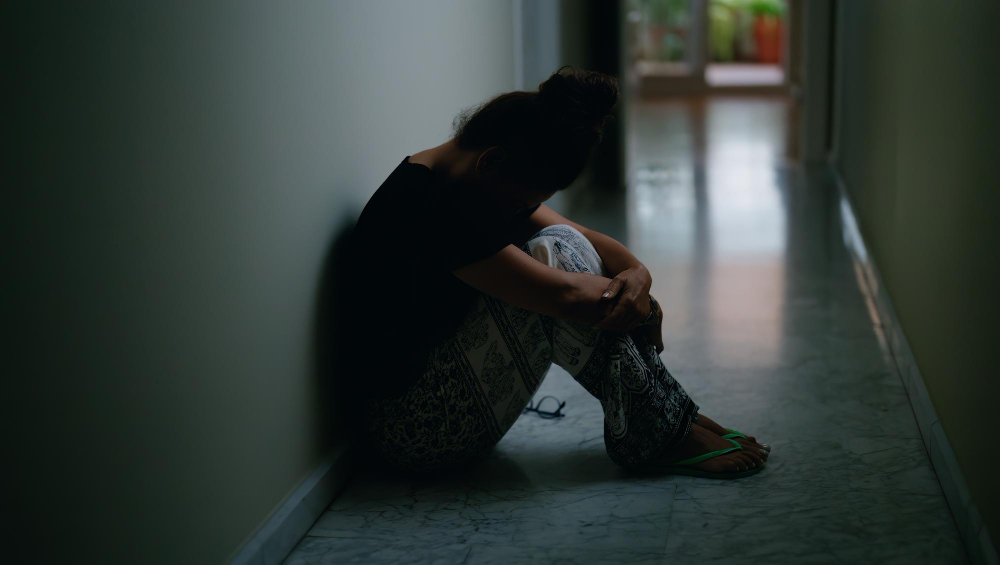
What Is Depression?
Depression is a common mental health condition. It affects how you feel, think, and act. Many people in the US and around the world experience depression at some point. While everyone feels sad sometimes, depression lasts longer and can affect daily life. Knowing the signs and symptoms of depression can help you or someone you care about get help sooner.
Common Signs and Symptoms of Depression
Depression can show up in many ways. Some signs are emotional, while others are physical or behavioral. Often, these symptoms last for at least two weeks. Below are common depression warning signs:
Not everyone will have all these symptoms. However, if you notice several signs, it may be time to seek help.
How Symptoms May Differ by Age or Gender
Depression can look different in children, teens, adults, and older adults. For example, children may seem irritable or clingy. Teens might act out, do poorly in school, or avoid friends. Adults often feel tired, lose interest in work, or have trouble sleeping. Older adults may complain of aches and pains or seem forgetful.
Men and women may also show different signs. Men might get angry or take risks, while women often feel sad or anxious. Because symptoms can vary, it is important to pay attention to any changes in mood or behavior.
When to Seek Help
If you notice signs of depression in yourself or someone else, do not wait. Early help can make a big difference. You should seek help if:
In any emergency, call a helpline or go to the nearest hospital right away.
How Depression Is Diagnosed
Doctors use questions and checklists to diagnose depression. They may ask about your mood, sleep, appetite, and energy. Sometimes, they do a physical exam or blood tests to rule out other causes. Only a trained professional can diagnose depression. Therefore, it is important to talk to your doctor if you have concerns.
Tips for Supporting Someone with Depression
Supporting a loved one with depression can help them feel less alone. Here are some ways you can help:
Even small acts of kindness can make a big difference.
Prevention and Lifestyle Guidance
While not all cases of depression can be prevented, healthy habits may lower your risk. For example, regular exercise, enough sleep, and a balanced diet can help. Staying connected with friends and family also supports mental health. If you notice early signs of depression, reach out for help sooner rather than later.
Summary
In summary, recognizing the signs and symptoms of depression is important for early help. Symptoms can be emotional, physical, or behavioral. They may differ by age or gender. If you notice warning signs, seek help from a mental health professional. Support from friends and family can also make recovery easier.
If you or someone you know is experiencing signs of depression, consult a mental health professional for personalized guidance.
Sources: Centers for Disease Control and Prevention (CDC), World Health Organization (WHO)