
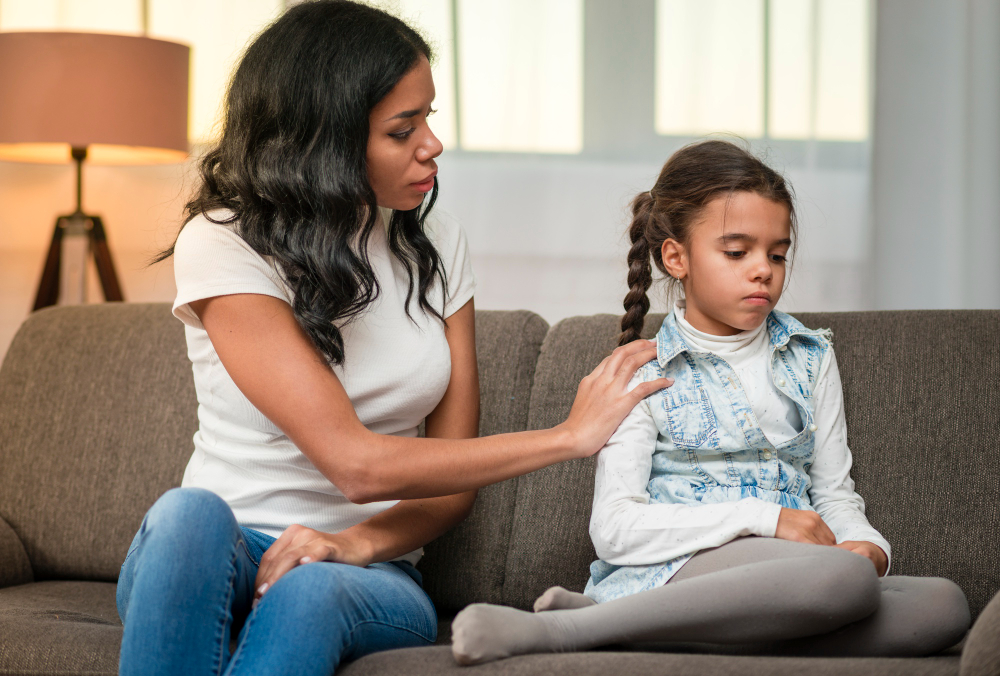
Introduction to Childhood Anxiety and Its Importance
Many parents worry about their child’s well-being. However, it is important to know the difference between normal worries and childhood anxiety. Recognizing anxiety in children early can help prevent bigger problems later. According to the CDC, anxiety is one of the most common mental health issues in children. Early support can make a big difference in your child’s life.
Common Early Warning Signs and Symptoms of Anxiety in Children
Children may not always say they feel anxious. Instead, they often show signs through their actions or feelings. Knowing the early signs of anxiety in kids helps parents take action sooner. Look for these symptoms:
Sometimes, children may also have trouble focusing or seem restless. If you notice several of these signs, it may be time to look closer.
Causes and Risk Factors
There are many reasons why a child might develop anxiety. Some children are more sensitive by nature. Others may have gone through stressful events. The CDC and WHO note these common risk factors:
While you cannot control every risk, knowing them helps you stay alert. Early support can lower the impact of these factors.
How Parents Can Observe and Differentiate Normal Worries from Anxiety
All children worry sometimes. For example, it is normal to feel nervous before a test or a new activity. But, anxiety is different. It lasts longer and affects daily life. Here’s how you can tell the difference:
If your child’s worries seem bigger than the situation, it may be anxiety. Watch for patterns and talk to your child about their feelings.
When and How to Seek Professional Help
Sometimes, anxiety becomes too much for a child to handle alone. If you notice that anxiety is affecting your child’s school, friendships, or family life, it is time to seek help. You can:
Early help can prevent anxiety from getting worse. The CDC recommends reaching out if you are unsure. Professionals can guide you and your child to the right support.
Practical Tips for Supporting Anxious Children at Home
Parents play a big role in helping children manage anxiety. Here are some parenting tips for anxious children:
With patience and support, many children learn to manage their anxiety better at home.
Prevention Strategies and Promoting Emotional Well-Being
Even if your child is not anxious now, you can help prevent problems later. Try these strategies to promote emotional well-being:
By building these habits early, you help your child handle stress and worries in a healthy way.
Conclusion
Recognizing anxiety in children is important for their health and happiness. If you notice signs of anxiety in your child, consult a mental health professional for personalized guidance.