
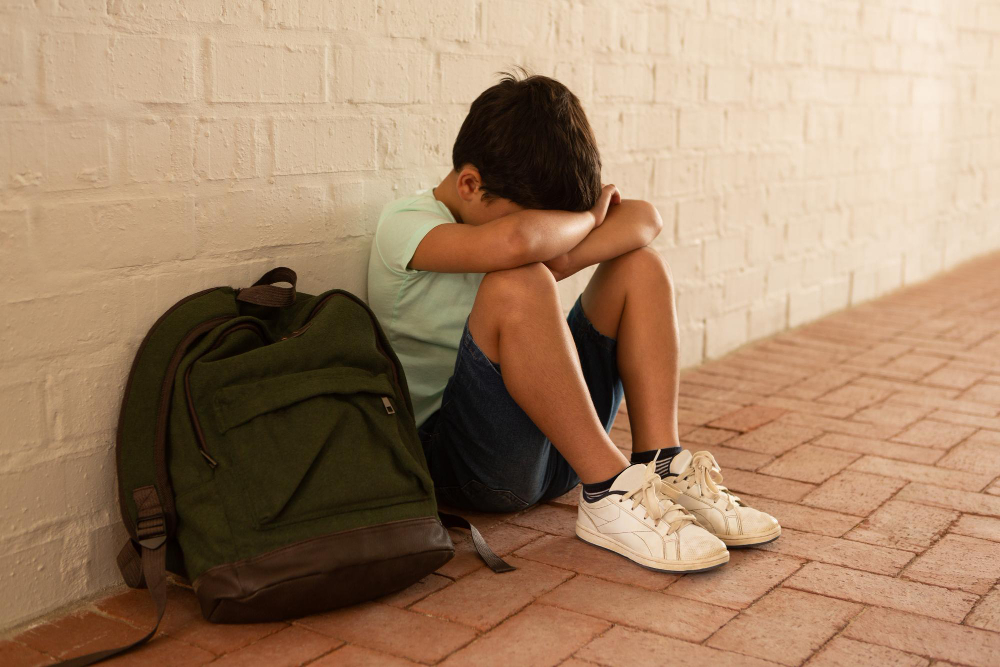
What Is School Refusal?
School refusal happens when a child finds it hard to go to school. Unlike skipping school, school refusal is not about breaking rules. Instead, it is often linked to fear, stress, or anxiety. Many children may feel nervous about school sometimes. However, with school refusal, these feelings are strong and last for weeks or longer. As a result, children may miss many days of school. Early support can help children return to class and feel better.
Common Symptoms and Warning Signs
Recognizing school refusal symptoms early can make a big difference. Some children may show clear signs, while others may hide their feelings. For example, you might notice:
Sometimes, children may also have trouble sleeping or lose interest in activities they once enjoyed. If these signs last more than a few days, it is important to pay attention.
Causes and Risk Factors
Many things can lead to school refusal. Often, it is a mix of factors. For instance, some children may have:
In addition, children with anxiety, depression, or other mental health concerns are at higher risk. According to the CDC, early mental health support can lower these risks.
Diagnosis and When to Seek Help
Because school refusal can look like other problems, a careful check is needed. Usually, a doctor or mental health expert will:
Sometimes, teachers or school counselors may also help. If your child misses school often or shows strong fear, seek help early. Early action can prevent bigger problems later.
Evidence-Based Treatment Options
There are proven ways to help children with school refusal. For example, treatment may include:
In some cases, a doctor may suggest medicine for anxiety or depression. However, therapy and family support are often the first steps. The World Health Organization recommends early, team-based care for best results.
Support Strategies for Families and Caregivers
Families play a big role in helping children overcome school refusal. Here are some ways to support your child:
Above all, show patience and praise progress. Even small steps matter.
Prevention Tips and Promoting School Attendance
While not all cases can be prevented, some steps can lower the risk of school refusal. For instance:
Because early support works best, act quickly if you notice problems. With teamwork, most children can return to school and feel better.
If your child is struggling with school refusal, consult a mental health professional for personalized guidance.